Pakistan Withdraws from the 2025 Junior Hockey World Cup in India: Security, Politics & What It Means
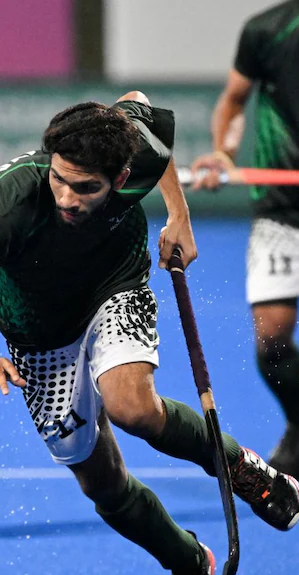
The 2025 FIH Men’s Junior Hockey World Cup, scheduled to take place in India from November 28 to December 10 in Chennai and Madurai, has suffered a major blow: the Pakistan Men’s Junior Hockey Team has officially withdrawn.
Why Pakistan Withdrew
According to the Pakistan Hockey Federation (PHF), the decision came after the government and the federation assessed the security situation, concluding it was “not feasible” to send the squad to India under the current conditions. (Dawn)Tensions between Pakistan and India—exacerbated by the April 2025 Pahalgam terror attack and India’s subsequent Operation Sindoor—have created an atmosphere of heightened risk.
Impact on the Tournament
The withdrawal means the tournament organisers—the International Hockey Federation (FIH)—now face the task of selecting a replacement team. Pakistan’s absence not only affects the competitive balance of the event, but also underscores how geopolitics can impact global sports.
Broader Consequences for Pakistani Hockey
For Pakistan’s junior program, this is a setback: months of preparation, international series and build-up will now not culminate in participation on one of the sport’s global stages. Long-term implications may include:
• Loss of competitive development opportunities for upcoming athletes
• A gap in international exposure and benchmarking against other top nations
• Potential impacts on qualification pathways for future big-tournaments
How the Indian Hosting Side Is Affected
India, as host nation, now must manage the logistical and reputational effects. Hosting a major tournament with a key team absent raises questions about:
• Security assurances for visiting delegations
• Trust and goodwill between regional hockey federations
• The smooth functioning of qualification and competition formats
Key Takeaway
Pakistan’s withdrawal is not simply a sports story — it reflects how national security, diplomatic relationships and athlete-safety considerations can override competition objectives. For fans, commentators and sports administrators, it’s a clear reminder that international tournaments depend not just on athletic readiness but also on stable external conditions.
Recommended Posts




About The Author